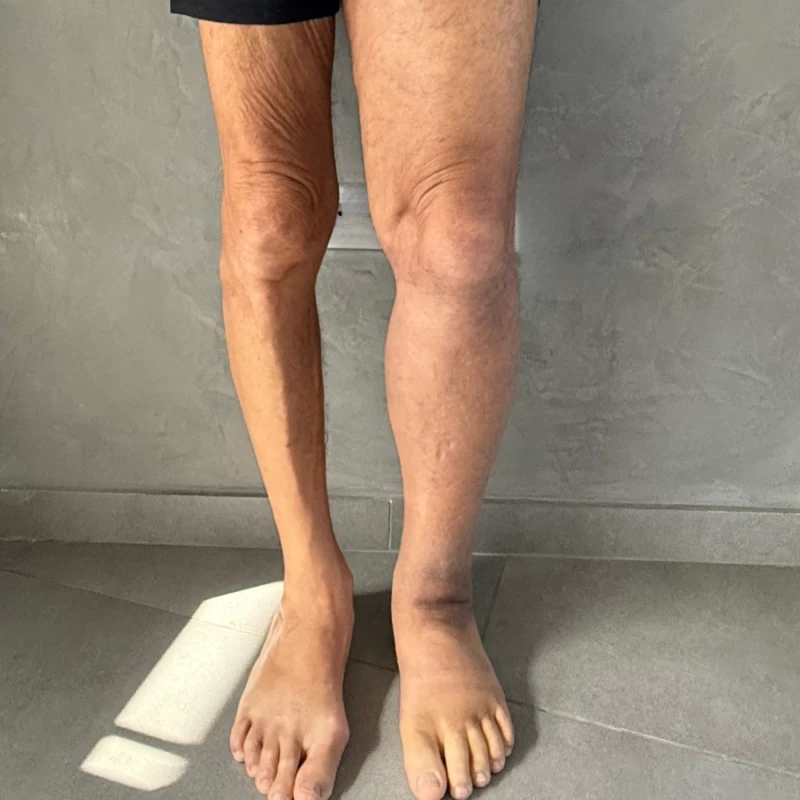
Lymphedema
What is Lymphedema?
Lymphedema is caused by a dysfunction of the lymphatic system, resulting in the accumulation of lymphatic fluid in the tissues. It can be primary, due to a congenital deficiency of the lymphatic system, or secondary, usually following surgical removal of lymph nodes, radiation therapy, injury, or infection. It usually occurs in one limb, although it can affect both, and is characterized by a sensation of heaviness, tightness, and progressive swelling.
Lymphedema Treatment Protocol
The therapeutic protocol that must be followed for the treatment and maintenance of lymphedema is Lymphatic Drainage (MLD). It is a treatment that aims to reduce edema and direct the lymph in order to relieve the affected area. Lymphatic drainage is a painless treatment for the treatment of lymphedema and other edemas, as well as for prevention. The treatment is planned according to the clinical signs and symptoms of each patient.
The protocol is as follows:
- Usually 8-10 sessions of lymphatic drainage are required to reduce lymphedema.
- In each treatment, an evaluation of the edema is performed and corresponding instructions are given.
- From the 5-6th session, compression bandages are usually applied.
- At the end of the treatments, once we have achieved maximum reduction in edema with lymphatic drainage and compression bandaging, a suitable and personalized compression garment is applied.
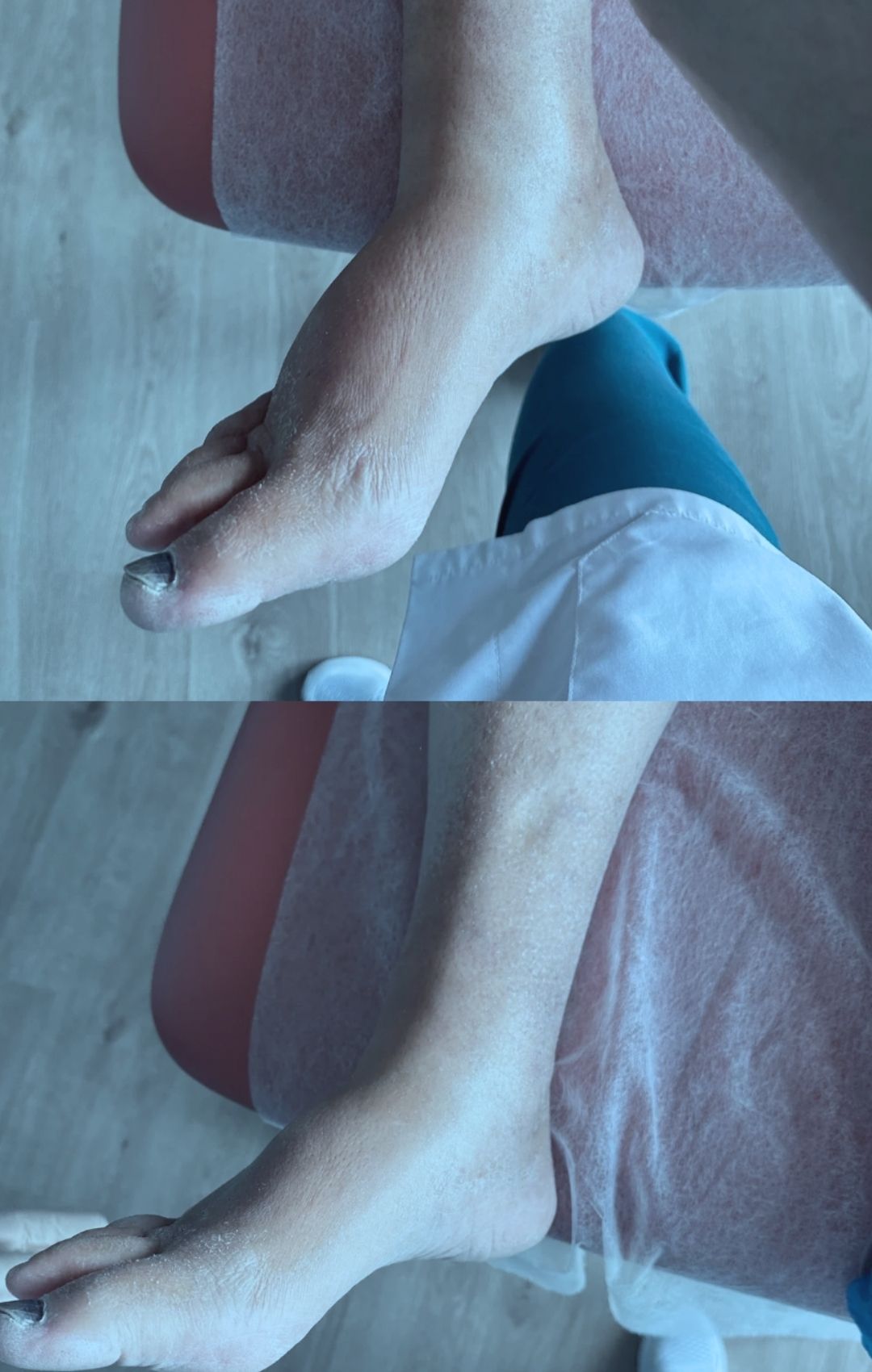
Prevention of Lymphedema
- Protect your skin from injuries, burns, and insect bites.
- Keep your skin clean and well-moisturized.
- Avoid tight clothing or jewelry that puts pressure on the upper limb.
- Gradually resume daily activities, avoiding sudden exertion.
- For more information and personalized guidance, you can schedule a free consultation at our clinic.
Coexistence of Lymphedema with Other Conditions
Lymphedema often coexists with other chronic or acute conditions. For this reason, each treatment plan is tailored to the individual, taking into account the patient’s overall health. The presence of comorbidities is not necessarily an obstacle to treatment, but it may require adjustments to the intensity, duration, or technique of lymphatic drainage to ensure that treatment is safe and effective.
Common comorbidities
- Hypertension and cardiovascular diseases (coronary artery disease, heart failure).
- Diabetes mellitus, particularly when accompanied by diabetic neuropathy or angiopathy.
- Post-thrombotic syndrome, with or without venous ulcers.
- Oncological conditions and postoperative conditions following cancer treatment.
When is lymphatic drainage not indicated?
Treatment is postponed
- Acute erysipelas or another active infection.
- Acute deep vein thrombosis or thrombophlebitis.
- Heart failure (stage III–IV), unless medically approved.
What is the difference between lymphedema and lipedema?
Although lymphedema and lipedema both cause swelling of the limbs and are often confused with one another, they are two distinct conditions with different causes, symptoms, and treatment approaches. Lymphedema occurs in one of the two limbs, while lipedema usually occurs in the lower limbs and manifests symmetrically.
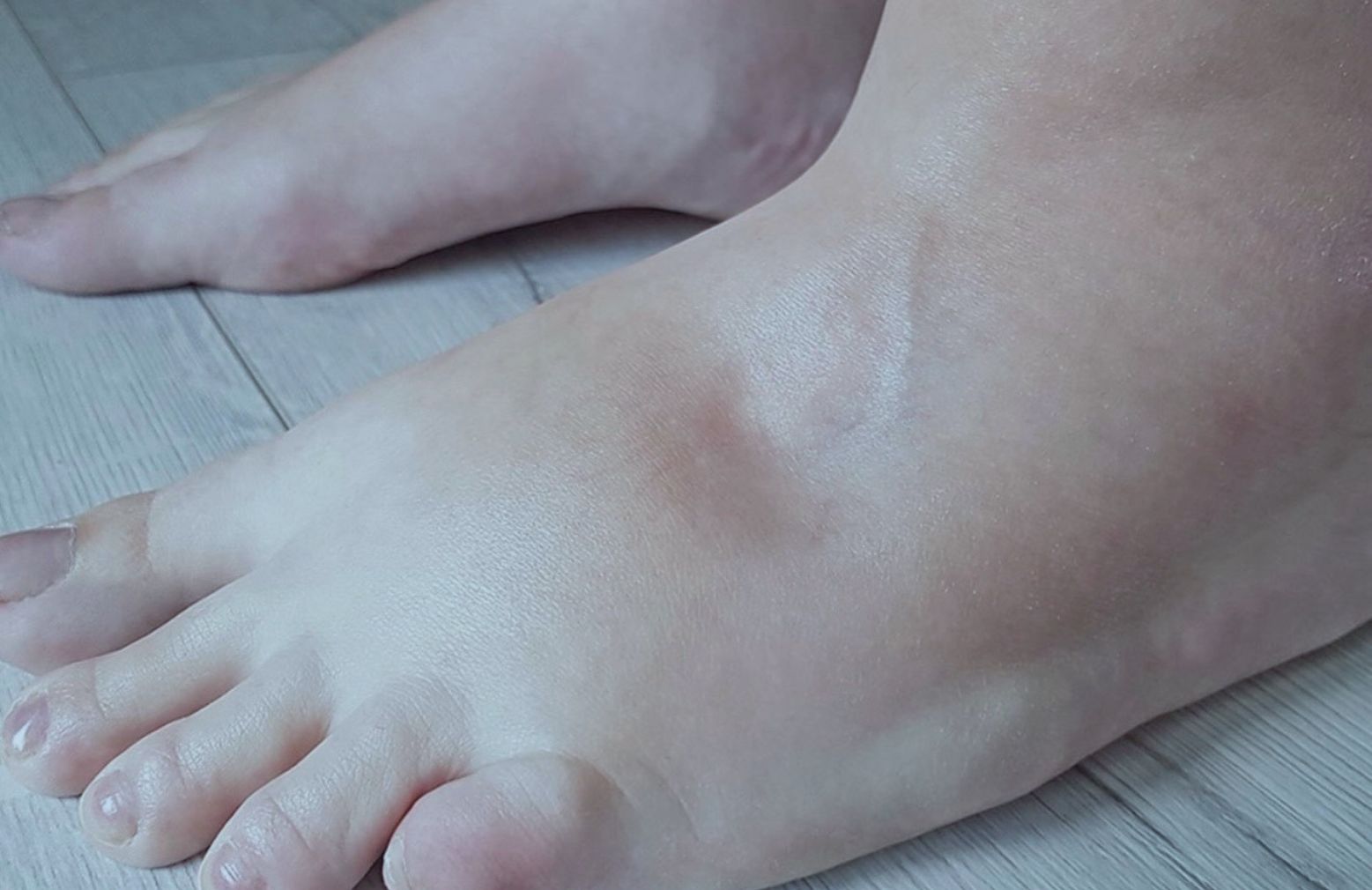
Can they coexist?
Yes. In advanced stages, lipedema can strain the lymphatic system and lead to the development of lipolymphedema, a condition in which characteristics of both conditions coexist. A proper evaluation by a qualified professional is crucial for selecting the appropriate treatment.