


Our services
Specialized Lymphedema Treatments
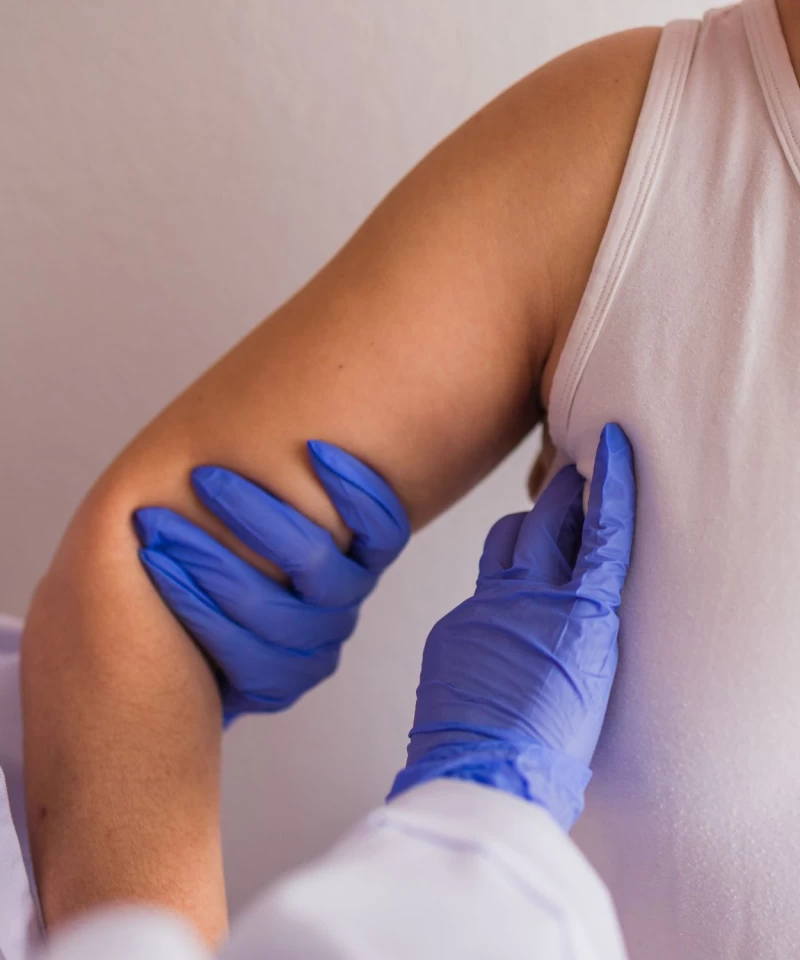
Breast Cancer
At the Breast Cancer Clinic, we offer comprehensive physical therapy support at every stage of the treatment journey—from preoperative evaluation to rehabilitation and relapse prevention.
Read More
WHY US
Why Choose the Lymphedema Clinic
At the Lymphedema Clinic, we don’t just offer treatment—we offer personalized care backed by scientific evidence and a compassionate approach.
Personalized Treatment
Each treatment plan is designed exclusively based on the clinical evaluation, stage, and goals of each patient.
International Certifications
Certification from ZML (Zentrum für Manuelle Lymphdrainage) and the O.EdE.M.A. Academy — the highest international standards in education.
Measurable Results
We monitor edema using objective assessment criteria, such as measuring the limb using a specialized measurement technique and weighing the patient.
Network of Partners
We work with oncologists, vascular surgeons, and dermatologists to provide comprehensive, holistic care.
Prevention & Education
We educate each patient on self-management, precautions, and exercises for long-term stability.
A Human-Centered Approach
We understand the psychological aspect of every diagnosis. We are here to listen and provide support every step of the way.
What it offers
Why should Lymphatic Drainage Therapy be combined with compression garments?
They limit the accumulation of lymph fluid.
They maintain the effects of lymphatic drainage.
They reduce the feeling of heaviness and fatigue in the limbs and help prevent edema from worsening.
They improve comfort and functionality in everyday life.

In women undergoing treatment for breast cancer, lymphedema is one of the most common complications and can develop months or even years after treatment is completed.
Similarly, lymphedema can also develop following treatments for gynecological, urological, or other oncological conditions that affect the lymphatic system.
Early diagnosis and the initiation of specialized treatment play a significant role in managing symptoms, reducing swelling, and maintaining quality of life.
Secondary lymphedema is the most common form of lymphedema in Western countries and usually occurs as a complication of cancer treatment.
The likelihood of its occurrence increases when lymph nodes are removed during surgery or when radiation therapy is administered to the area. These procedures can affect the normal functioning of the lymphatic system, resulting in the accumulation of lymph fluid and the development of edema.
Lymphedema may occur following treatments for:
- Breast cancer
- Melanoma
- Lymphomas
- Gynecological cancers
- Prostate cancer
- Testicular cancer
- Other forms of cancer that require lymph node removal or radiation therapy
The risk of developing these conditions depends on many factors, such as the number of lymph nodes removed, the extent of radiation therapy, the type of surgery, and the specific characteristics of each patient.
According to current guidelines, manual lymphatic drainage can be safely performed on patients with a history of malignancy or even in cases of recurrence, provided there is a medical indication and the treatment is performed by a qualified physical therapist.
