


Physical Therapy Clinic
Schroth Method
The Schroth Method is a specialized, three-dimensional physical therapy approach developed specifically to treat scoliosis and other spinal conditions.
Unlike conventional methods, the Schroth method does not merely treat pain—it retrains the body to maintain proper posture, enables neuromuscular retraining at a young age, and slows the progression of scoliosis. The method is particularly effective in younger patients, which is why early diagnosis and treatment can significantly alter the course of scoliosis and kyphosis. Each program is completely personalized, based on the X-ray and clinical evaluation of each patient.
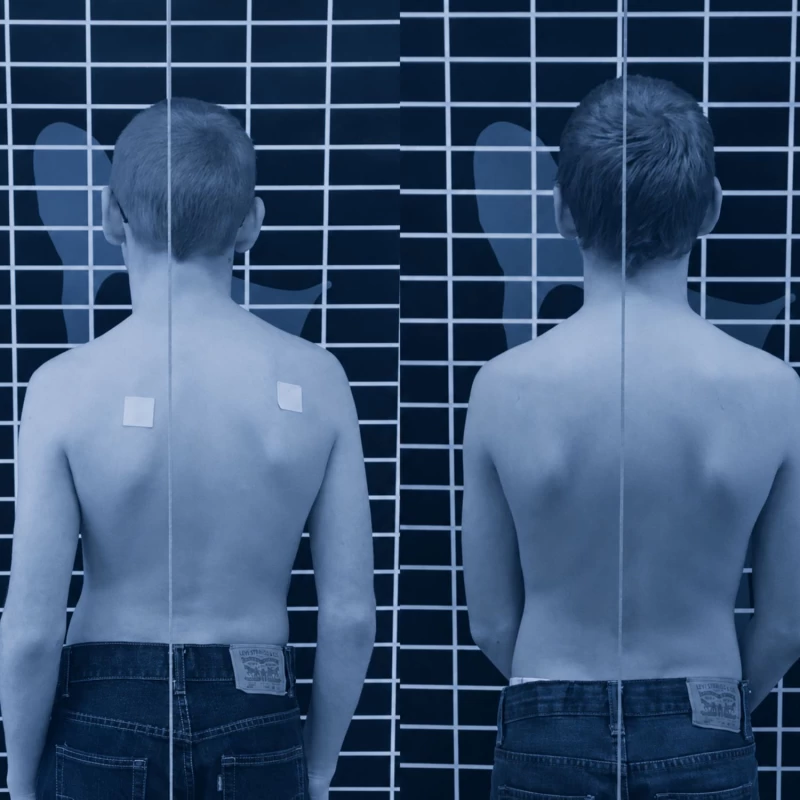
What it offers
Why Choose the Schroth Method
Targeted Posture Correction
Multilevel spinal intervention—anterior, sagittal, and horizontal—for genuine improvement in posture, not just symptomatic relief.
Reduction of chronic pain
Activating the deep stabilizing muscles relieves pain in the lower back, neck, and shoulders caused by uneven stress on the spine.
Prevention of Surgery
For scoliosis with a Cobb angle of 20°–45°, the Schroth method is the most well-documented conservative alternative that prevents progression and delays or avoids surgery.
Personalized program
No two cases of scoliosis are alike. Each exercise program is designed based on the patient’s specific curvature, age, and fitness level.
INDICATIONS
Who is this intended for
This treatment is indicated for children, adolescents, and adults with spinal conditions, regardless of the stage of the disease.
- Scoliosis in Minors
- Kyphosis in Minors
- Wrong Stance
- Idiopathic Scoliosis
- Scheuermann's Kyphosis
How It Works
The
treatment process
Evaluation
Clinical examination, X-ray analysis, and Cobb angle measurement for a complete assessment of the curvature.
Design
A personalized exercise program based on the patient's recovery curve and goals.
Treatment
Weekly sessions featuring breathing techniques, posture correction, and neuromuscular retraining.
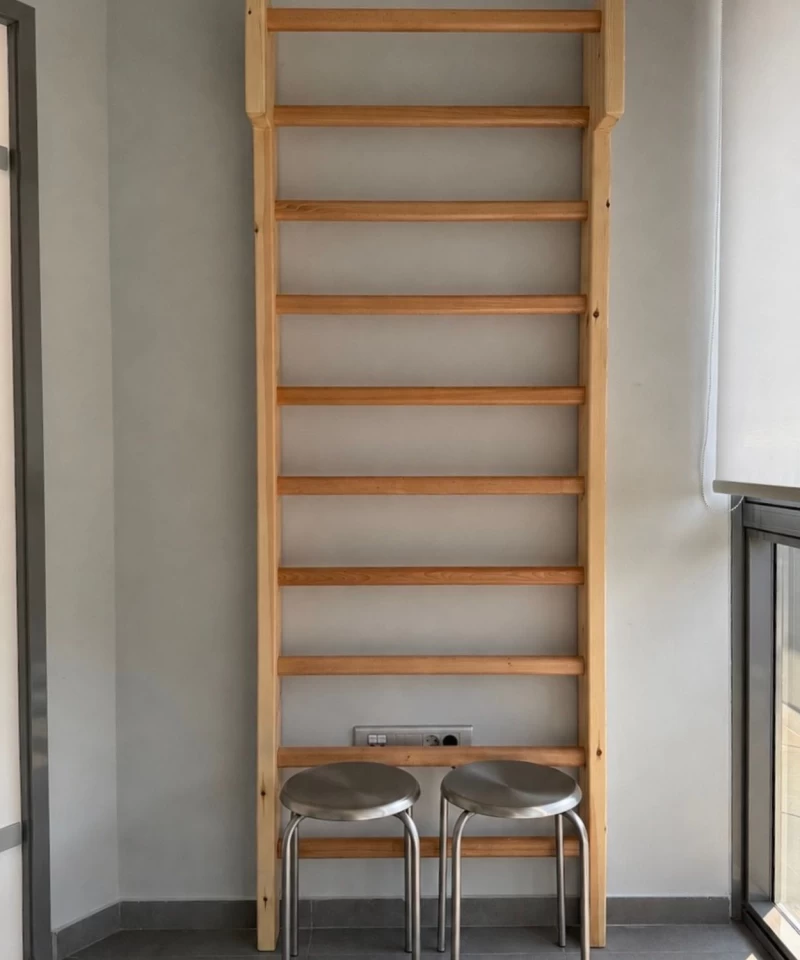
For best results, we recommend 20–30 minutes of daily exercise at home, in addition to your clinic sessions. You will receive a personalized home exercise program with instructions and a tracking sheet.
In adolescents who follow the program consistently, reductions of up to 5°–8° have been reported. In adults, the primary goal is stabilization and pain relief; however, improvements are possible when the program is followed consistently.
Not necessarily. The method can be used on its own or in conjunction with a brace. For Cobb scoliosis angles of 25°–45°, it is often combined with an orthotic brace for maximum effectiveness. Your therapist will assess which approach is best for your specific case.
Traditional exercises work on two levels and symmetrically enhance muscular balance. The Schroth method works in three dimensions—it corrects scoliosis, rotation, and kyphosis simultaneously, using exercises based on each patient’s specific curve profile.
The Schroth method is used for patients aged 8–10 years and up through adulthood. It is particularly effective for adolescents during their growth phase, when the progression of scoliosis can be halted. For adults, it aims to reduce pain and stabilize the curvature.
